A research-led approach to ecological accountability
Artificial intelligence is becoming more efficient, but efficiency does not necessarily mean sustainability. As AI becomes easier to use, growing demand may outweigh improvements in individual tasks, a tension captured by Jevons’ Paradox.
The AI CO₂ Tracker makes this often invisible footprint tangible. It estimates emissions associated with text prompts, token processing, and AI-generated images, translating them into visual patterns, cumulative histories, and everyday comparisons. Such estimates inevitably involve uncertainties, raising questions about what we can reliably know and communicate.

Grounded in aihorizon R&D’s Responsible AI Framework, the project connects environmental transparency with ecological responsibility and intergenerational justice. It asks how today’s technological choices affect future generations, while recognising the legal safeguards relevant to environmental claims and user data.
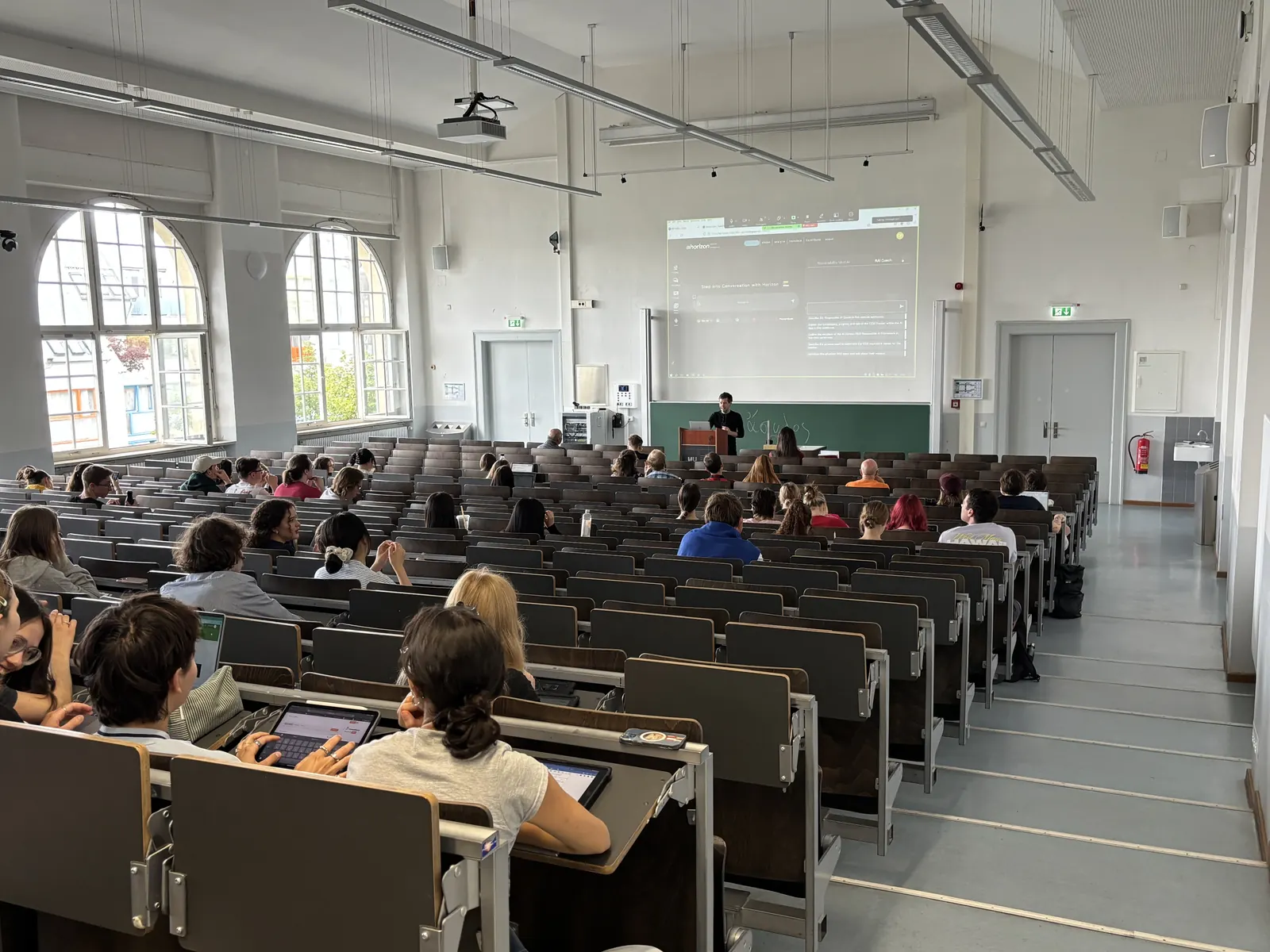
In collaboration with LMU Munich, we have also investigated whether visibility changes behaviour. Our study, published at CHI 2026, found that students receiving real-time CO₂ feedback generated fewer tokens and lower estimated emissions per prompt. While further research is needed, these findings suggest that making environmental consequences visible can encourage more deliberate AI use.