What happens when students can see the estimated environmental impact of their AI interactions? And does that information change how they use the technology?
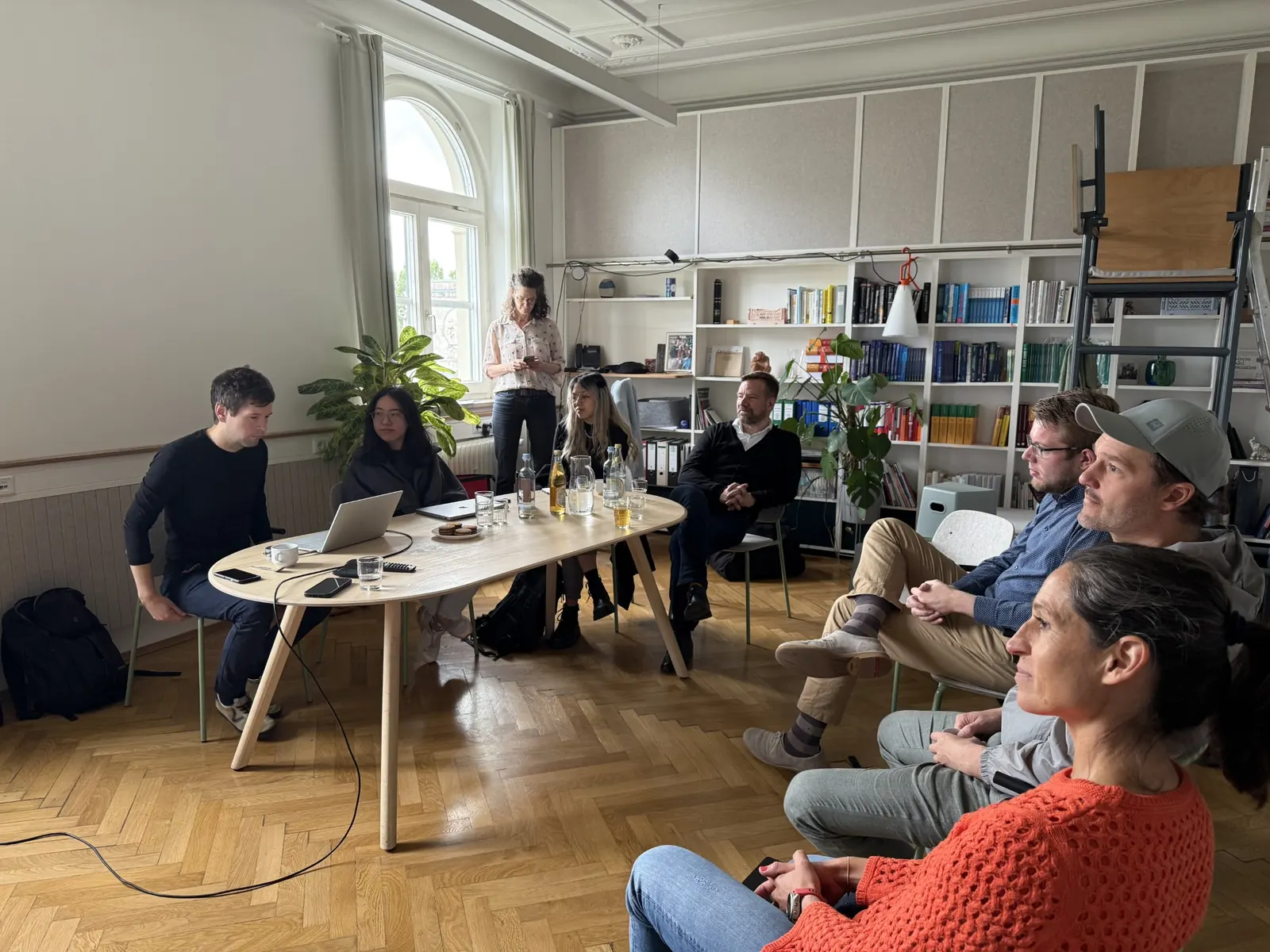
These questions have brought aihorizon R&D and researchers from LMU Munich’s Social Data Science and AI Lab together for a continuing research collaboration.
Our responsible AI learning space has now been used with students at LMU for a second time. In the latest round, around 300 students worked with the application, which includes our AI CO₂ Tracker. As they interacted with language models, they could examine the estimated emissions associated with their prompts and responses.
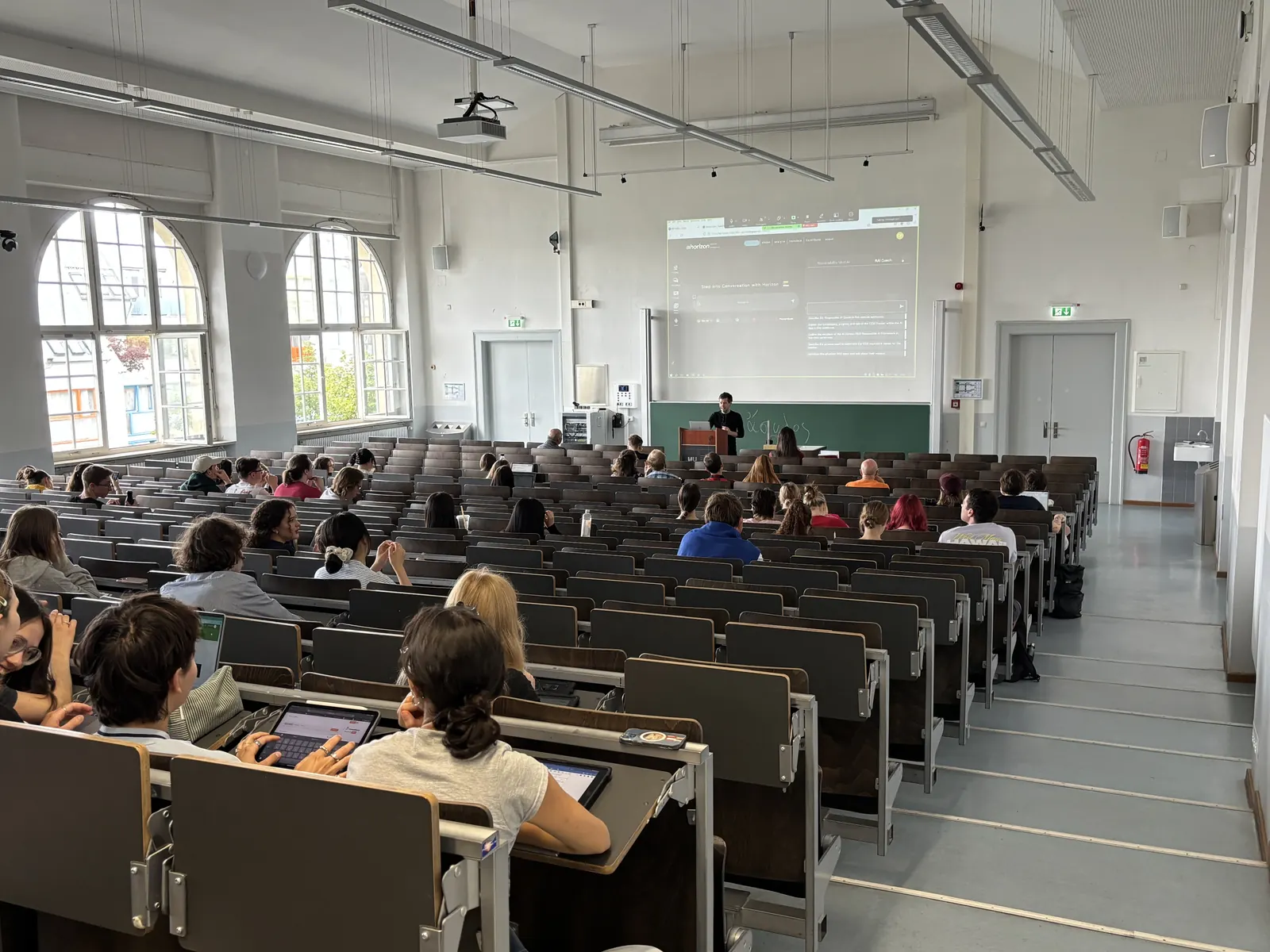
The first round of research led to a joint paper, “From Awareness to Action? The Impact of CO₂ Emission Feedback on Student LLM Usage,” published at ACM CHI 2026 and presented at the conference in Barcelona.
The study found that students receiving real-time emissions feedback generated fewer tokens and lower estimated CO₂ emissions per prompt. These findings suggest that making environmental consequences visible can influence certain aspects of AI use. They also raise further questions about whether such changes persist over time and how they relate to learning.
Building on this work, we have recently submitted a second joint research paper. Its findings will be discussed once the publication process allows.
For aihorizon R&D, the collaboration illustrates why we develop our learning space in close connection with academic research. We want to understand how people actually use AI, what they learn from interacting with it, and whether the information we provide helps them make more considered decisions.
Returning to LMU has allowed us to continue investigating those questions with students, rather than treating the first study as a conclusion.