Microsoft has featured aihorizon R&D’s collaboration with the Educational Foundation Freiburg in a customer case study. The article documents how students and teachers are learning to use generative AI while questioning its reliability, limitations, and consequences.
At the centre is our responsible AI learning space. Developed with the Educational Foundation Freiburg, it offers a setting where students can experiment with AI and discuss when its outputs are useful, misleading, or inappropriate. The point is not simply to become proficient with the technology, but to learn to judge it.
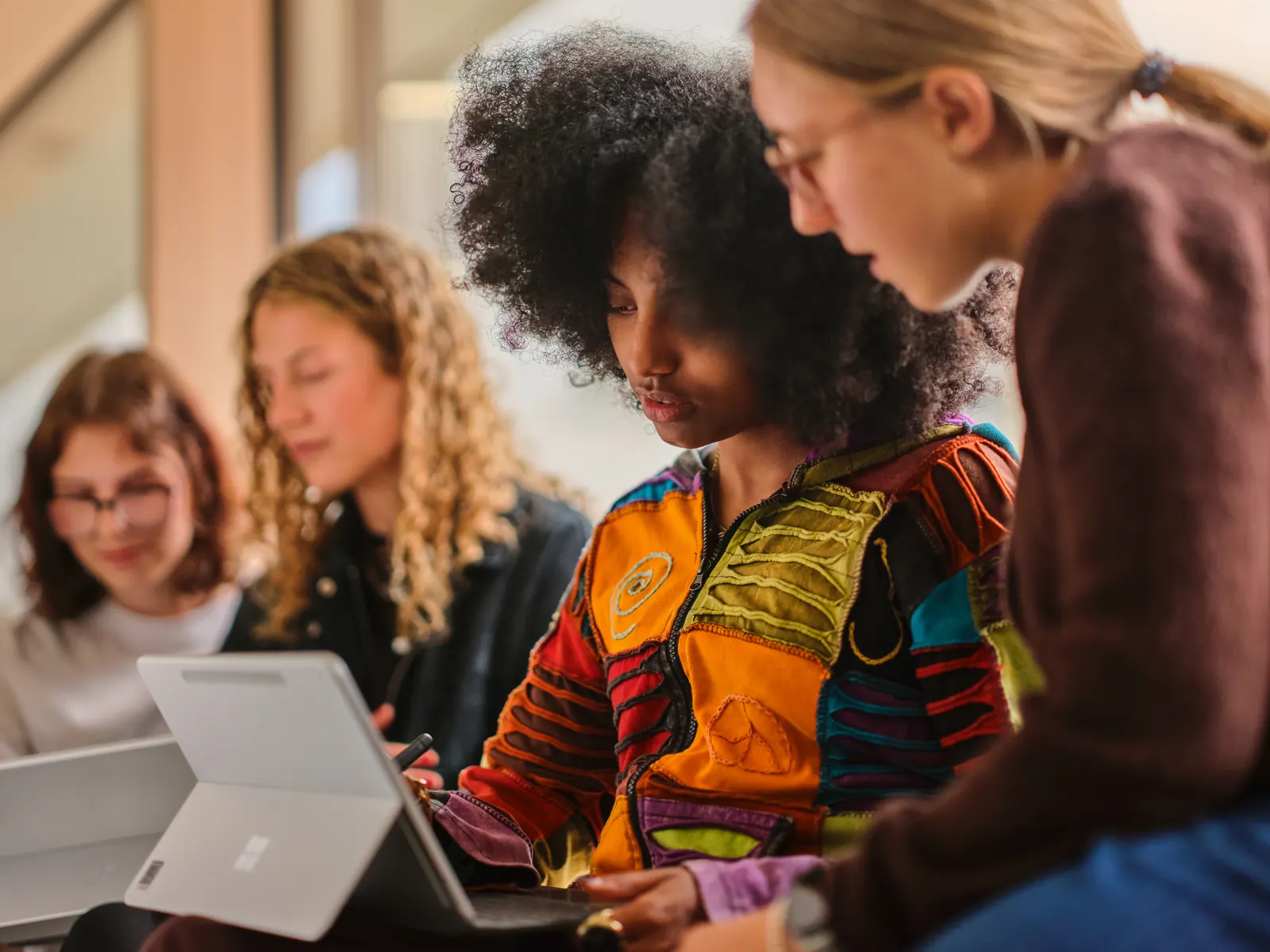
At the time of Microsoft’s report, around 200 students and 25 teachers were using the learning space in courses examining the ethical implications of AI. Students were encouraged to consider what an answer might leave out and where independent checking remained necessary.
The article also describes students’ involvement in developing the platform. Feedback from their everyday use informed changes, and some contributed directly to programming and design.
That participation matters to us. As a non-profit research organisation, aihorizon R&D works to help people examine the systems they use, rather than treating AI as something to accept without question.
The collaboration brought together teachers’ knowledge of classroom needs, students’ experiences, and the research and development work behind the learning space.
Microsoft’s case study offers an outside view of this work and of questions we continue to ask: How can AI support learning without displacing independent thinking? And how can students have a say in the tools that enter their classrooms?